
Crispy, Creamy, and Muslim:
Uncovering the Origins of Khao Soi
Khao Soi is everywhere in Chiang Mai, served from street stalls to stylish cafés. And yet, its origins remain surprisingly unclear.
Beneath the familiar bowl lie strong traces of Chinese Muslim influence, shaped by Yunnanese migration and old trade routes.
To understand this dish beyond the city, I would like to take you on a journey to the Northern Thai mountains, to meet the Chinese Muslim community that still reside there, and where the origins of khao soi still quietly survive.
What Is Khao Soi?
Khao soi is a northern Thai noodle dish built around wheat noodles and a spiced curry broth. Today, most versions use coconut milk and are served with pickled mustard greens, lime, and crispy noodles. However, earlier forms of this noodle soup relied less on coconut milk and more on warm spices, reflecting Chinese Muslim and Yunnanese cooking traditions.
Why I left Chiang Mai
The khao soi most visitors encounter in Chiang Mai feels complete. I had it as well, on my first trip o Chiang Mai. It is rich, coconut-forward, and carefully plated. However, this version represents only one chapter in a much longer story.
To exploreits origins, I left the city with my friend Amir and headed north toward Doi Ang Khang. As the road climbed higher, the landscape changed. Tea fields replaced cafés. Villages replaced international malls and super markets.
Here, food still follows the memory of its people.
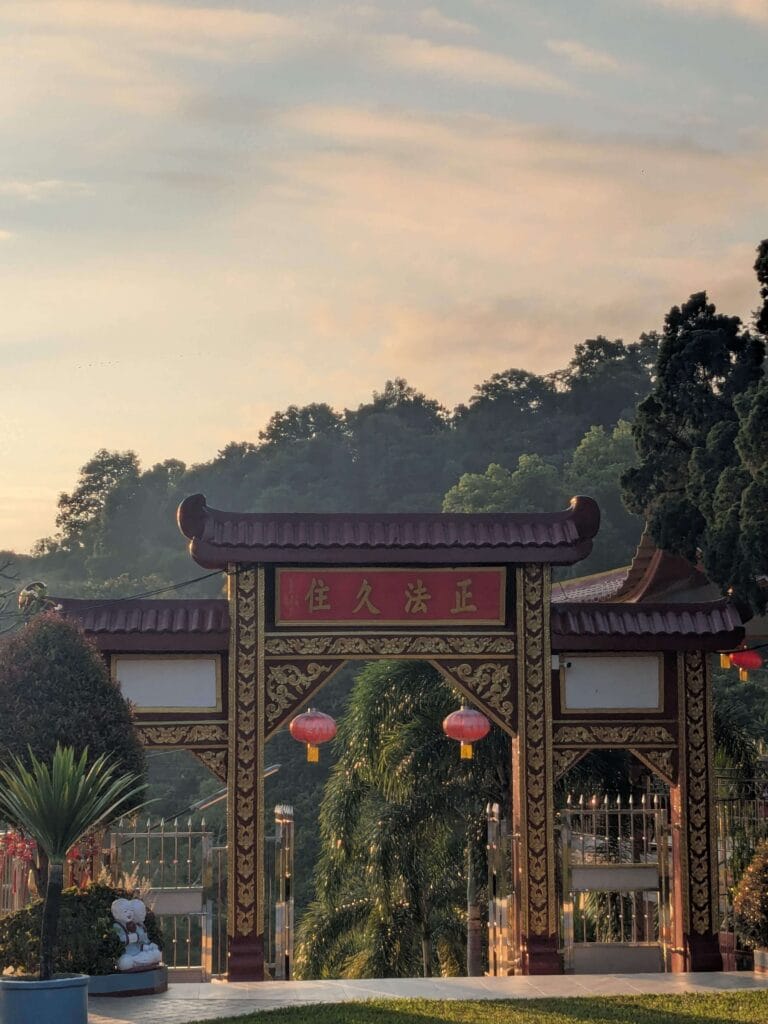
Ban Yang and a Shared Hurtful Past
Eventually, we arrived in Ban Yang. This small mountain village carries a layered past. While the community shares Yunnanese roots, it practices different faiths. Muslims, Buddhists, and Christians live side by side. Yet despite these differences, daily life flows together.
Historically, families arrived here during waves of migration from Yunnan. At that time, conflict and closed borders pushed people south. Consequently, Ban Yang became a place of refuge. To learn more about Ban Yang, I recommend reading more in this wonderful archive of Thailand’s villages and communities.
Over time, it also became a place of preservation, and an opportunity for us to travel through time and space.
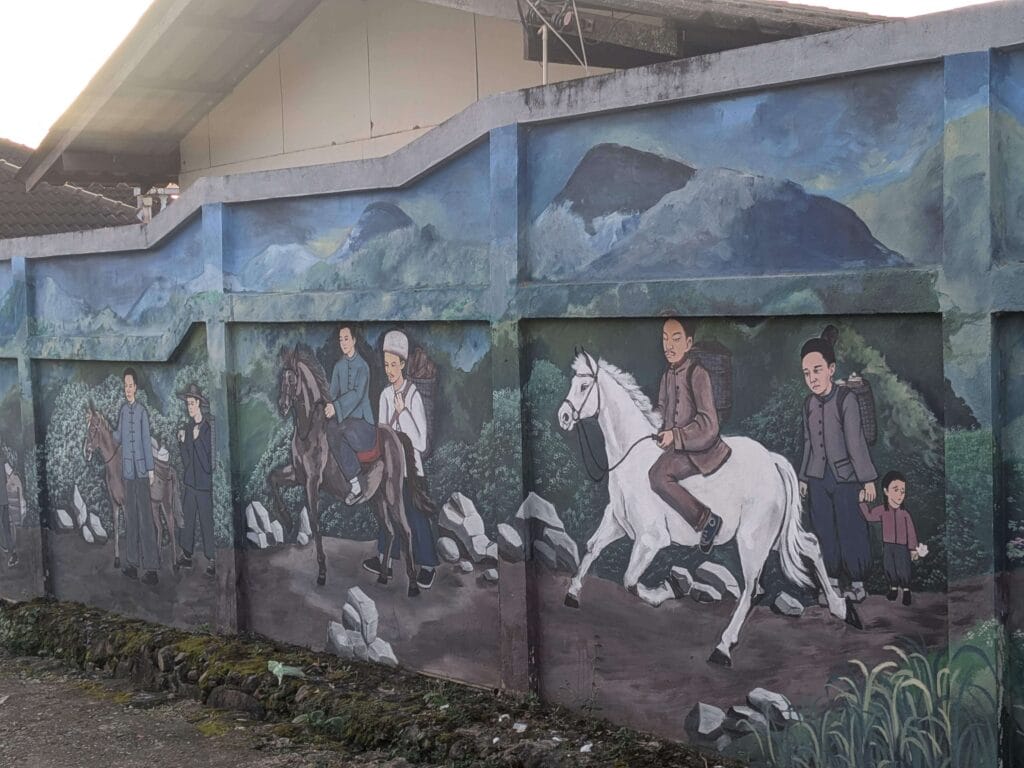
The Origins of Khao Soi: Ban Yang’s Muslim Neighborhood
At first glance, the khao soi in Ban Yang looks familiar. However, once you taste it, the differences stand out immediately.
Here, cooks prepare the chicken curry separately, without coconut milk. Only at the end do they add coconut milk, and even then, lightly. As a result, the broth stays savory rather than sweet.
They use Chinese-style wheat noodles, not the flat noodles you’ll usually have in Chiang Mai or the rice noodles you’ll have in Khao Soi Lao (a different dish with the same name). Therefore, the dish links directly to Chinese culinary traditions. In addition, peanuts and sesame seeds add texture. Meanwhile, black soy sauce deepens both color and aroma.

The Journey Ahead for the Origins of Khao Soi
Today, we traveled north from Chiang Mai to Ban Yang, where Chinese Muslim families still cook older versions shaped by Yunnanese roots. But that’s not the end! The journey continues the next day, as we leave Ban Yang and climb toward Doi Ang Khang, stopping along the way to taste an even older form of this Northern Thai classic, cooked to perfection. Stay tuned!
Very interesting and inspiring article. Makes me feel visiting there.
Thank you, Oz!
Pingback: I Never Miss This Chiang Mai Fresh Market | Savored By Oz